Fall HVAC Guide: Furnace Troubleshooting and AC Installation in Layton, UT
Smelling burning dust on the first freezing night? See what startup noises are normal with these home maintenance tips and troubleshooting before winter hits.


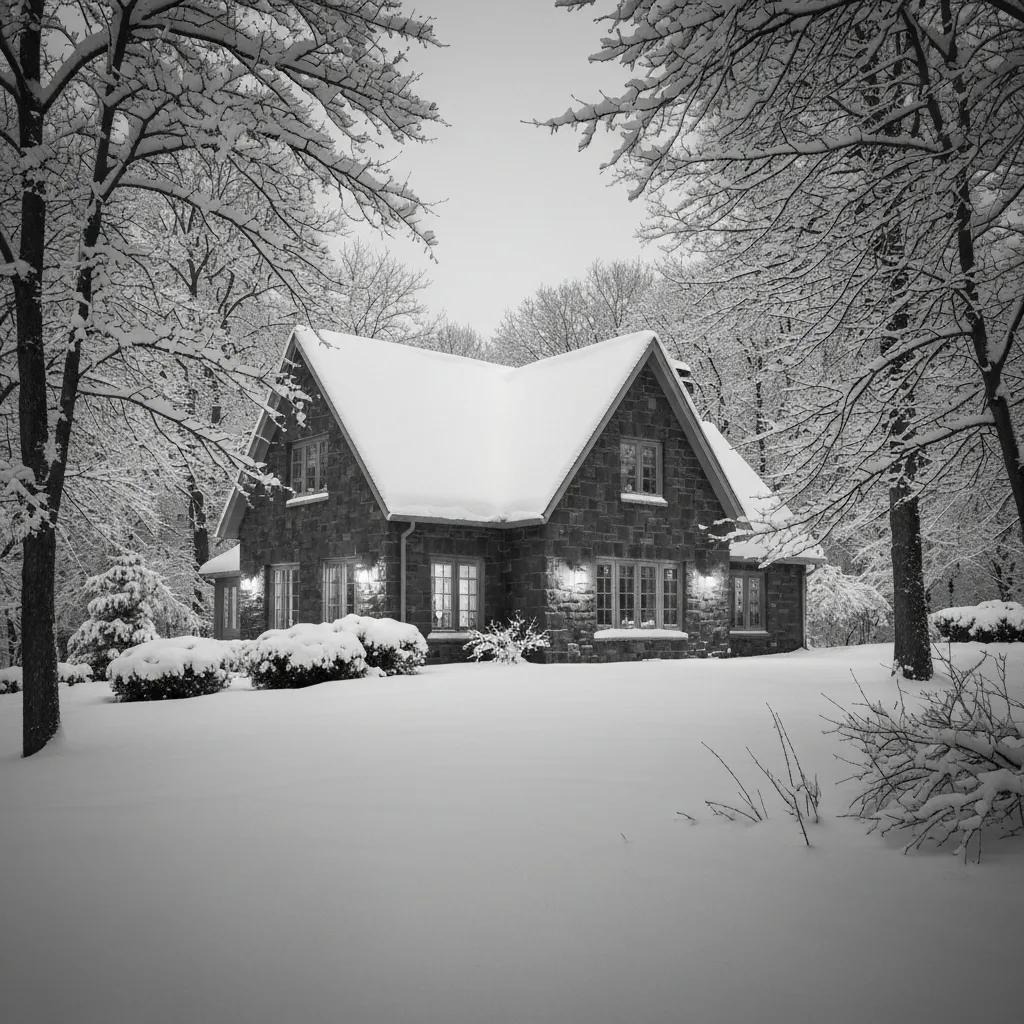
Frozen pipes can lead to expensive repairs, lost water service, and long cleanup times when a line bursts. This guide walks you through how and where pipes freeze in Northern Utah, practical DIY fixes, and when to call for professional help. You'll get clear advice on the best insulation materials and installation approaches, safe step-by-step thawing methods, and the signs that mean it's time for 24/7 emergency response. We also cover commercial strategies, winterization checklists for Brigham City, Ogden, Logan and nearby towns, and a short FAQ with the numbers and tactics you need. The focus is on simple, effective actions—insulation, airflow and thermostat settings, and monitoring—plus how to schedule inspection or emergency service if you need it.
Pipes freeze when they lose heat faster than the water inside can stay above 32°F. As water freezes it expands and raises pressure, which often causes joints or weakened sections to fail. Pipes lose heat fastest where they're exposed or next to unconditioned air—think exterior walls, attics, crawlspaces, and garages. Northern Utah's cold snaps, wind chill against outside walls, and very low overnight temperatures shorten the time before freezing occurs. Knowing how heat leaves a pipe helps you choose the right fixes—insulation, heat trace, and sealing drafts—to reduce risk. Early warning signs include low flow, frost on exposed piping, or odd knocking or creaking noises; spotting those lets you act before a rupture.
Northern Utah gets sudden temperature drops and sharp cold spells that make exposed lines freeze quickly. Wind blowing across exterior walls speeds heat loss for pipes routed there. Older construction—thin wall cavities, limited crawlspace insulation, and older siding—creates "thermal bridges" where pipes lose heat faster than you'd expect. Human choices matter too: turning the thermostat way down, closing vents to unused rooms, or leaving crawlspace vents open in winter can all raise freeze risk. Fixes are straightforward: add insulation where drafts occur, keep a safe minimum indoor temperature, and protect or reroute exposed lines.
Some areas show up again and again in freeze reports because they combine exposure with limited heat. Pipes in exterior walls—bathroom and kitchen lines—are common trouble spots when wall cavities aren't insulated. Long runs in unheated attics, crawlspaces, and garages are vulnerable to ambient cold and drafts. Outdoor spigots, irrigation lines, and hose bibs are exposed and often fail if not drained and insulated. Targeting these locations with pipe sleeves, faucet covers, and gap sealing cuts your freeze risk dramatically. Below we'll cover the best insulation choices and how to install them.
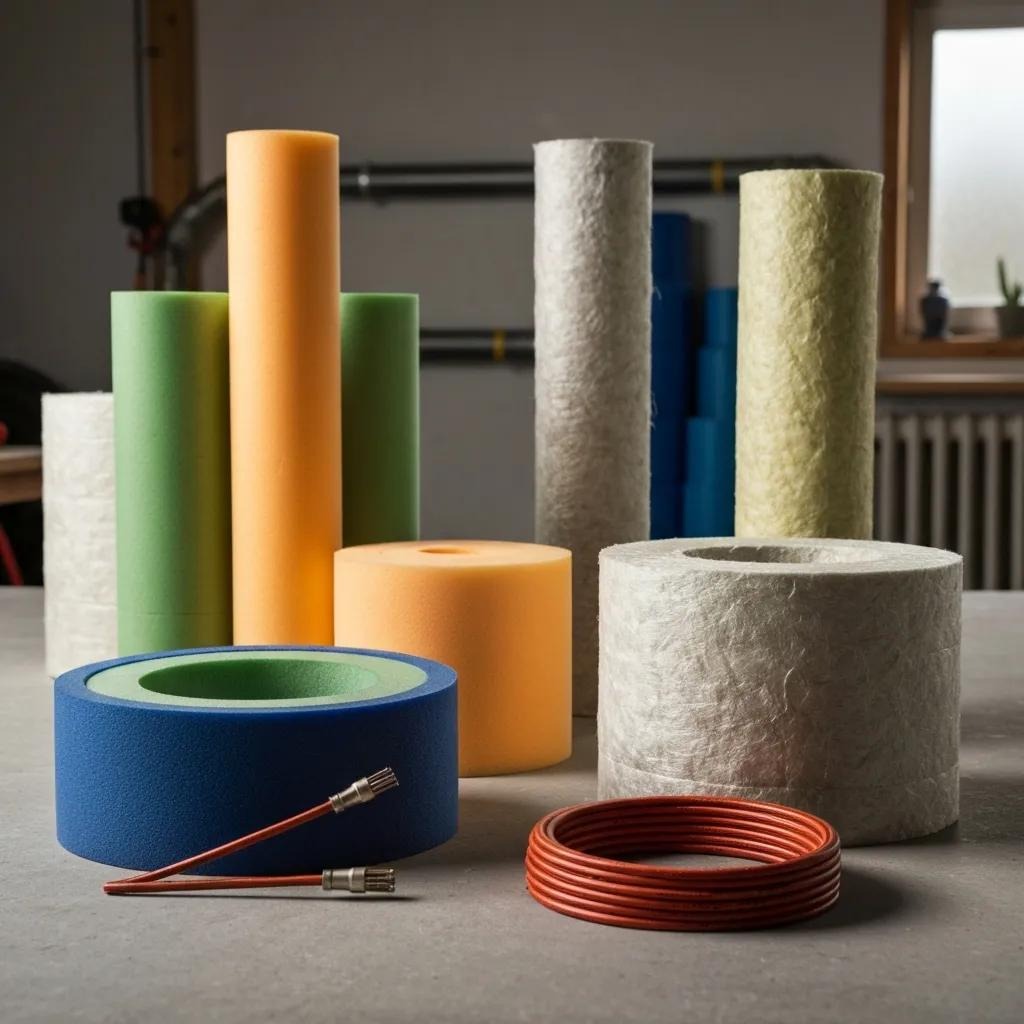
Insulation slows conductive heat loss and gives you more time before water can freeze. In Northern Utah we recommend a layered approach: foam pipe sleeves for indoor exposed runs, fiberglass wrap where you need higher R-value or irregular shapes, and self-regulating heat trace cable for long exterior runs or consistently cold sections. Check insulation before cold weather—wet or compressed material quickly loses effectiveness. Below is a quick comparison to help you pick the best option for each situation.
Insulation materials compared for typical pipe protection:
• Foam pipe sleeves — Characteristic: Light, easy to install, moderate R-value — Best Use: Indoor exposed copper or PVC runs
• Fiberglass pipe wrap — Characteristic: Higher R-value, flexible for odd shapes — Best Use: Tight spaces, older homes with thin cavities
• Heat trace cable (self-regulating) — Characteristic: Active heating, requires proper electrical work — Best Use: Exterior-exposed, long runs, high-risk lines
Combining passive insulation with heat trace where needed delivers reliable protection for different pipe locations. Next we'll outline specific material choices and safe installation steps so you can implement these solutions correctly.
The right material depends on where the pipe is and how severe the cold gets. Foam sleeves are a great DIY option for indoor exposed pipes—easy to slip on and secure with tape or zip ties. Fiberglass wrap gives more R-value and works well in narrow cavities or around fittings, but it must be sealed and kept dry. Heat trace cable is the top pick for high-risk exterior runs because it actively keeps the pipe above freezing, though it needs correct electrical installation and adherence to the manufacturer's instructions. For most homes a mix of passive insulation and targeted heat trace gives the best balance of cost and protection.
Start by cleaning and drying pipe surfaces, then measure and use materials rated for the environment. For foam sleeves: cut to length, fit snugly, seal seams with foil or duct tape, and wrap joints and fittings with fiberglass if needed to avoid thermal bridges. Outdoor faucets should be drained and covered with insulated faucet covers; if you don't have frost-free sillcocks, add an insulated box and consider a shutoff and drain for the exterior line. Don't compress insulation—compressed material loses R-value—and always install heat trace per electrical code and the manufacturer's instructions to stay safe.
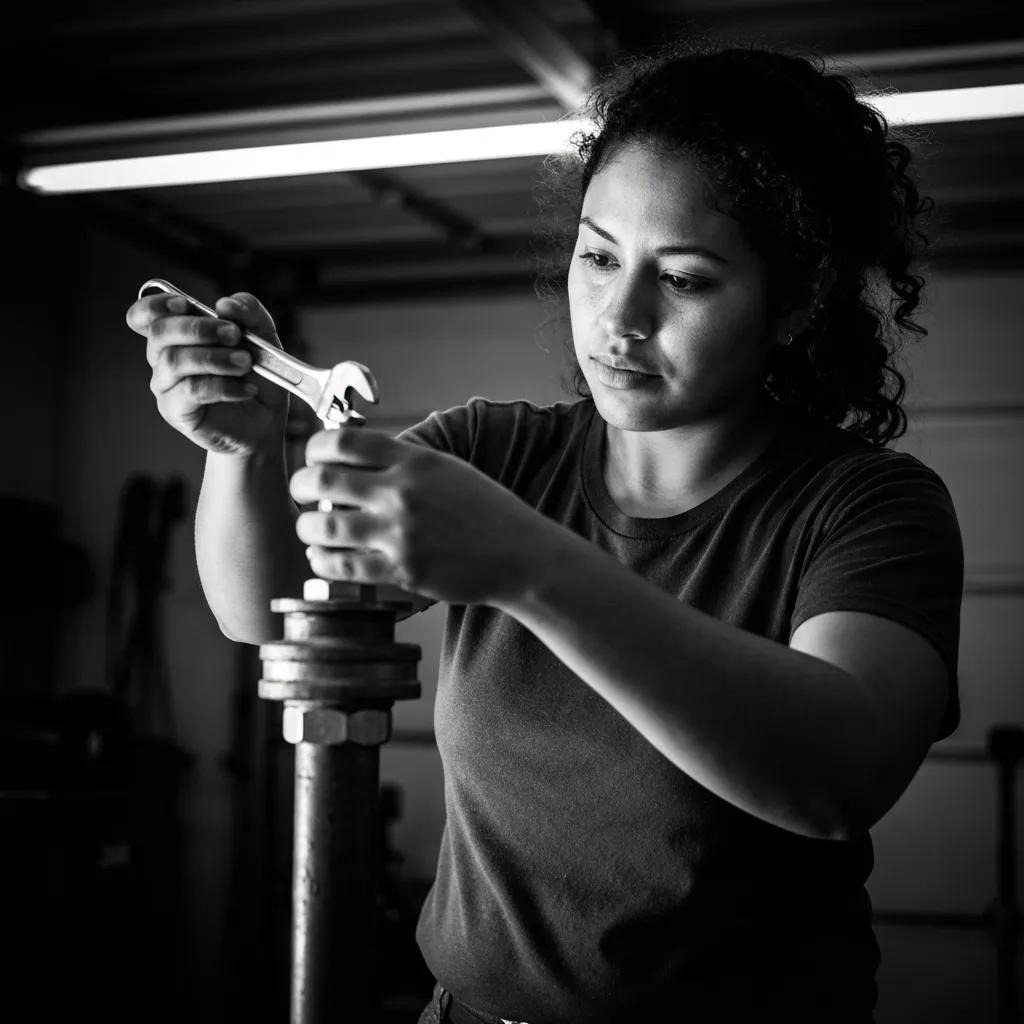
Thaw frozen pipes with steady, indirect heat—never an open flame—while watching for leaks. First, open the faucet served by the frozen pipe to relieve pressure and give water somewhere to go. Apply gentle heat with a hair dryer, heating pad, or a portable electric heater, working from the faucet toward the frozen section so melting water can escape. If you see water seeping as flow returns, shut off the main water supply and call for professional repair right away.
If thawing doesn't work, you suspect a burst, or water is pooling, call a qualified pro immediately. Quick professional action minimizes structural damage and mold growth. Your Comfort HVAC offers plumbing and HVAC services across Northern Utah, including 24/7 emergency burst-pipe response and water-damage mitigation. Professionals will shut off water safely, locate hidden ruptures, and handle repairs and drying to limit restoration costs.
If there are no visible leaks and the situation seems contained, you can try safe, low-risk thawing tools. Use a hair dryer on low, an infrared or ceramic space heater placed at a safe distance, or an electric heating pad wrapped around the pipe. Always heat from the faucet end toward the frozen area so melted water can run out. Avoid torches and high-temp devices. If flow doesn't return, or you notice bulging, cracking, or water where it shouldn't be, shut off the main and call a professional.
Call a licensed service when you see a visible leak, swelling in ceilings or walls, pooling water, or when thawing doesn't restore flow—these are signs of an emergency. A professional will shut off water to the affected zone, assess structural intrusion, do temporary containment, and make permanent repairs to restore pipe integrity. Your Comfort HVAC offers 24/7 emergency service across Northern Utah with certified technicians, upfront pricing, and fast coordination of repair and mitigation. Early professional intervention helps avoid larger, costlier restoration later.
A winterization plan bundles inspection, targeted insulation, and system tweaks to cut freeze risk and should be done before the first long cold spell. Core tasks: seal gaps and exterior penetrations, insulate exposed supply and return lines, install heat trace where needed, drain and winterize outdoor faucets and irrigation lines, and check thermostat setback and HVAC circulation. Regular inspections find compressed or wet insulation and exposed runs along exterior walls, attics, and crawlspaces before they fail. The table below lists common professional winterization services and recommended frequency so you can match investment to your property's vulnerability.
Winterization services compared by type and target properties:
• Full plumbing inspection — Recommended Frequency: Annual (pre-winter) — Target Property Types: Older homes, commercial buildings
• Insulation upgrade (targeted) — Recommended Frequency: One-time + as-needed — Target Property Types: Older homes, uninsulated crawlspaces
• Heat tape installation — Recommended Frequency: Per risk assessment — Target Property Types: Exposed lines, exterior runs
• Exterior line draining — Recommended Frequency: Annually (pre-freeze) — Target Property Types: Homes with hose bibs, irrigation systems
When these services are scheduled to match a building's age and exposure, freeze incidents drop significantly. Next we cover indoor temperature and airflow tactics that support professional work.
Keep a steady minimum indoor temperature—around the mid-50s°F when a property is unattended—and promote warm air around vulnerable plumbing to prevent cold pockets. Simple actions: leave cabinet doors under sinks open so warm room air reaches the pipes, run ceiling fans on low to distribute heat, and keep vents and returns clear in rooms with exterior walls. Don't use extreme thermostat setbacks for long periods; instead choose monitored setbacks or periodic short heat cycles to protect pipes. These HVAC steps work with insulation and targeted services to cut freeze risk at the source.
Our winterization starts with a thorough inspection to map pipe routes and exposure points, then targeted insulation, and optional heat trace on critical lines. Technicians will drain exterior systems, cap or insulate hose bibs, and recommend air-sealing work to reduce drafts. Services are tailored for older homes, new builds, and commercial properties. Your Comfort HVAC provides preventive winterization, installation, repair, and 24/7 emergency response across Northern Utah, with upfront pricing and certified technicians to keep the work safe and transparent. Scheduling an assessment before cold weather helps put the most cost-effective protections in place and reduces emergency risk.
Commercial buildings have bigger systems and longer runs, so prevention needs more layers—monitoring, redundancy, and active heating. Key approaches: heat tracing on primary and secondary lines, zoning HVAC so critical areas keep minimum temps, and installing sensors and remote monitoring to spot drops in temperature or pressure early. Facilities with process water or mission-critical plumbing should coordinate winterization with service providers to match operational needs and reduce downtime. Below are practical steps facilities managers can act on now.
Commercial frozen-pipe prevention tactics:
• Maintain temperature zones with redundancy to protect critical piping if HVAC fails.
• Install heat tracing and adequate insulation on exposed and long-run pipe segments.
• Deploy sensors for remote alerts on temperature drops or pressure loss.
• Coordinate seasonal maintenance with service providers for pre-winter inspections.
These measures lower the risk of catastrophic failure and limit disruption. For large or complex systems, a professional design and code review are recommended.
Businesses should layer active temperature control, insulation improvements, and monitoring across distributed plumbing networks. Common solutions: heat-traced loops on vulnerable lines, programmable building automation to hold critical areas at safe temps, and redundant heating for mechanical rooms with backup power for trace systems. Involving facilities teams early and scheduling professional assessments produces a plan that meets operational needs and regulatory requirements.
Typical commercial services include full-system inspections, heat trace design and installation, insulation upgrades for mechanical chases and exterior walls, and preventive maintenance with seasonal checks. Providers in the Brigham City, Ogden, and Logan areas tailor schedules to building age and use—quarterly or semi-annual checks for critical systems, annual winterization for typical facilities. Professional teams work with on-site staff to minimize downtime while installing protections that support business continuity. For high water-use or process-dependent operations, adding monitoring and routine maintenance significantly reduces freeze risk.
Homeowners and facility managers want short, practical answers during cold snaps. Below are quick, actionable responses covering thresholds, tactics, timelines, and cost drivers. A compact reference table follows with temperature triggers, suggested indoor setpoints, and typical freeze timelines to help you make fast decisions.
Key freeze metrics at a glance:
• Temperature at which pipes freeze — Description: Ambient conditions where still water can form ice in exposed pipes — Typical Value: ~20°F (-6°C) and below
• Recommended minimum indoor temp — Description: Safe thermostat setting to reduce freeze risk when away — Typical Value: ~55°F (13°C)
• Typical time to freeze (exposed pipe) — Description: How quickly an uninsulated line may freeze in extreme cold — Typical Value: Several hours to overnight depending on exposure
Use this quick reference when weather forecasts call for severe cold. The sections below give short answers and practical next steps.
Pipes often begin to freeze when ambient temps drop to about 20°F (-6°C) or below, but insulation, pipe material, wind, and drafts affect that threshold. Wind chill and drafts can cause local freezing even at higher outdoor temperatures because moving air pulls heat away from pipes faster. Smaller, stagnant lines freeze faster than larger or flowing lines. Treat 20°F as a practical trigger to add protection or raise indoor temps.
Drip cold water during severe cold spells. Cold water puts less strain on water heaters and still prevents pipes from freezing by keeping water moving. Aim for a pencil-width stream to reduce freeze risk without wasting too much water. Run faucets farthest from the supply to encourage circulation through the system, and combine dripping with insulation for best results. If you have on-demand water heating or metering concerns, check with a pro before leaving taps running long-term.
Freeze time varies. An uninsulated exterior pipe can freeze within a few hours in extreme cold, especially with wind and low overnight temps. A well-insulated pipe may resist freezing for days. Factors: pipe material (copper freezes faster than PEX), diameter (smaller pipes freeze sooner), water movement, and exposure. In practice, assume unprotected runs can freeze overnight during a severe cold snap and act quickly—insulate, open cabinet doors, and keep heat on minimum levels.
Preventing frozen pipes protects your home and business from expensive damage and service interruptions. With the right insulation, careful thermostat and airflow management, and timely winterization, you can greatly lower freeze risk. If you want a tailored plan or fast emergency help, schedule a winterization assessment or 24/7 response with Your Comfort HVAC. Take a few preventive steps now and enjoy a worry-free winter.
Contact Your Comfort HVAC to schedule an evaluation or emergency visit.
Read what our satisfied customers have to say about our reliable HVAC services and expert solutions for home comfort and efficiency.





We’ve partnered with trusted lenders to offer flexible financing solutions that fit your budget. Whether you’re looking to start a new project or upgrade your home, we make it easy and affordable.Explore your options today and take the next step with confidence.