Fall HVAC Guide: Furnace Troubleshooting and AC Installation in Layton, UT
Smelling burning dust on the first freezing night? See what startup noises are normal with these home maintenance tips and troubleshooting before winter hits.


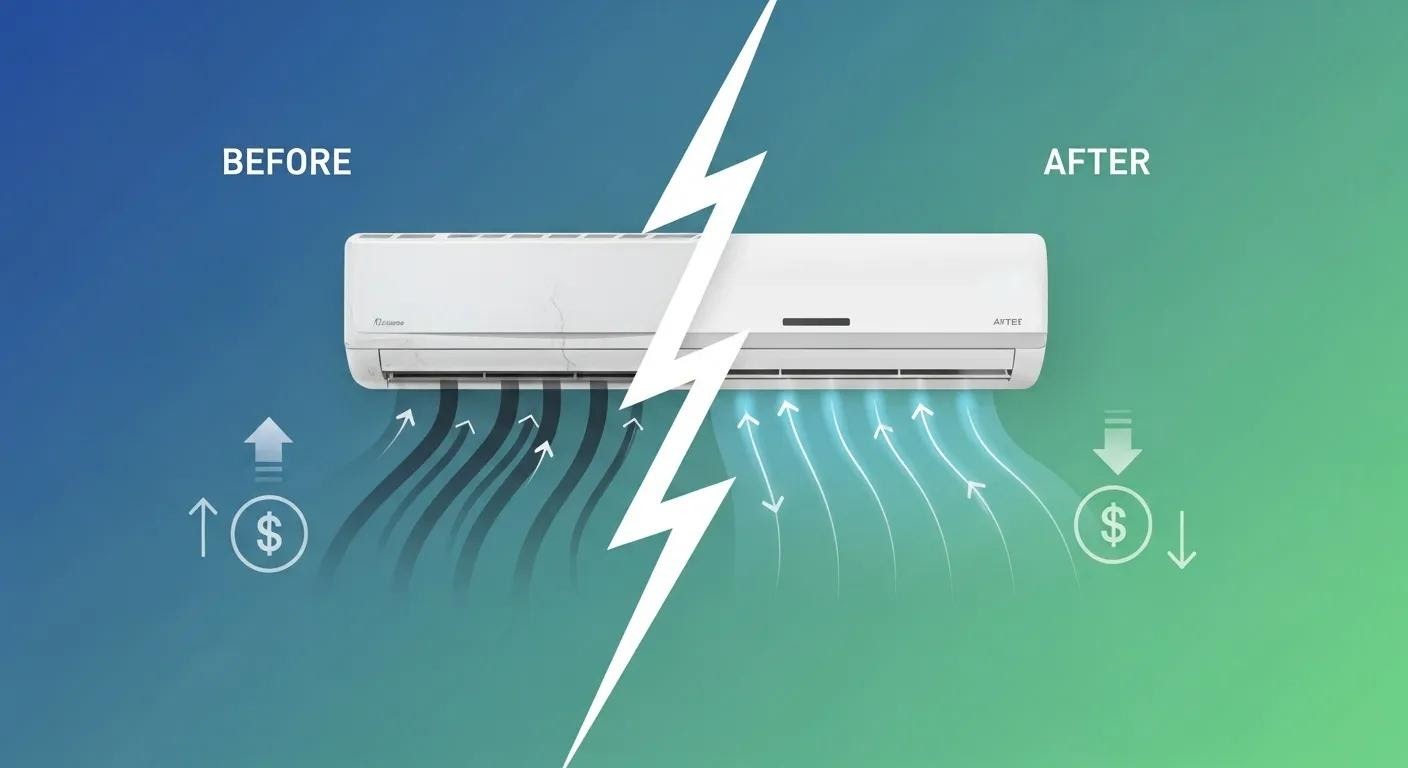
Lowering utility bills without sacrificing comfort starts with making your HVAC system work more efficiently. This guide lays out straightforward, practical steps—scheduled maintenance, targeted equipment upgrades, smart thermostats, and improved ductwork—that reduce energy use and save money. Many homeowners pay more than they should because systems go unchecked or age out; the good news is most of those costs are fixable with the right plan.
Regular HVAC maintenance plans keep systems running cleanly and prevent small problems from becoming expensive repairs. Typical plans include inspections, cleaning, and minor repairs—services that stop energy waste and extend equipment life. Routine care catches issues early, lowers emergency service calls, and helps make your monthly bills more predictable.
An 88‑point inspection is a comprehensive check of the whole system to make sure everything's operating as it should. Technicians inspect the thermostat, electrical connections, filters, motors, refrigerant levels, and ductwork for leaks or damage. We recommend at least one annual inspection to keep performance steady and avoid unexpected breakdowns. Regular checks help systems run cleaner, last longer, and use less energy.
Routine tune‑ups reduce energy waste by cleaning and calibrating the parts that affect efficiency most. During a tune‑up, technicians clean coils and filters, verify refrigerant charge, tighten electrical connections, and set the thermostat correctly. A clogged filter or an out‑of‑balance component forces the system to work harder—and costs you more. Regular tune‑ups maintain steady airflow and keep your system operating efficiently.
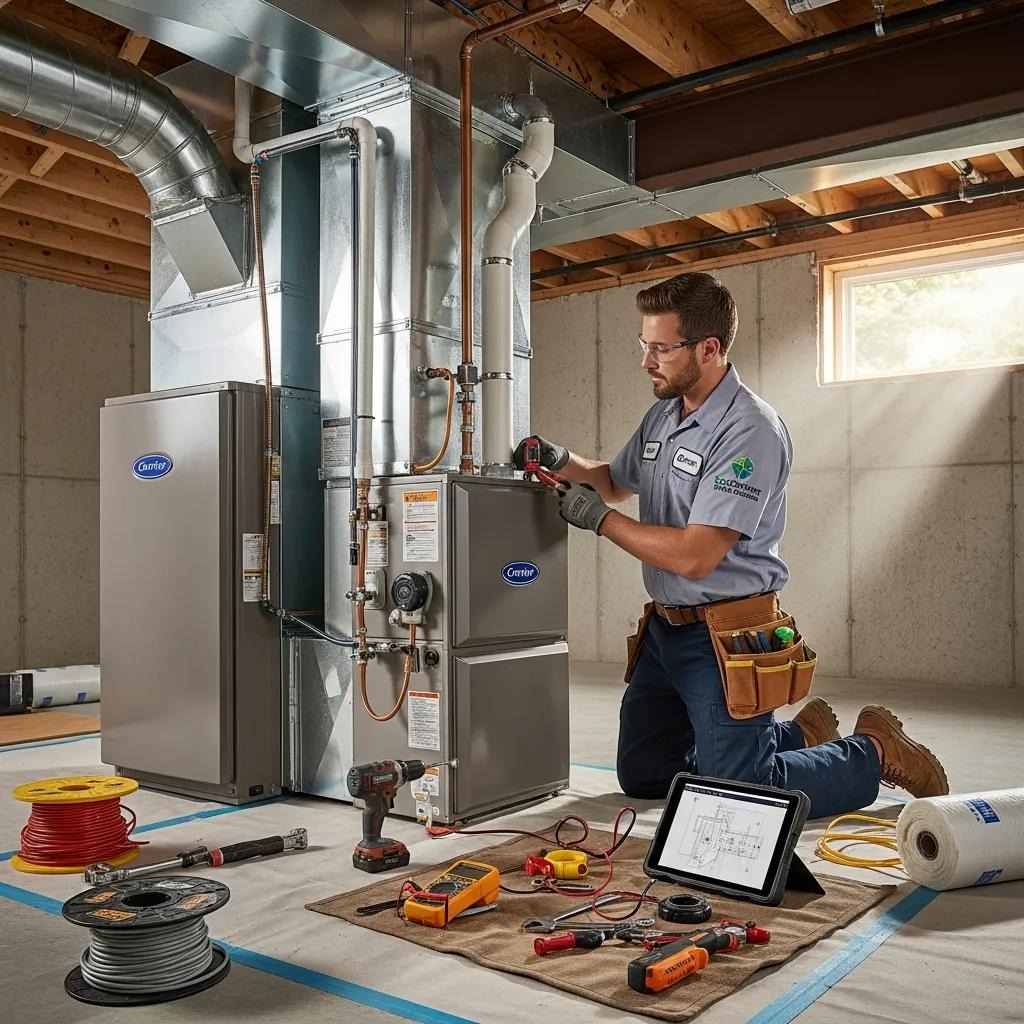
High‑efficiency HVAC units use less energy to heat and cool, which lowers utility bills and improves comfort. They tend to run quieter and often have longer lifespans. Many models qualify for rebates or tax incentives, improving your return on investment—learn more about financing and incentives here.
• Heat Pump — Efficiency rating: 15 SEER / 8.5 HSPF — Estimated annual savings*: Significant savings
• Gas Furnace — Efficiency rating: 95% AFUE — Estimated annual savings*: Noticeable savings
• Air Conditioner — Efficiency rating: 16 SEER — Estimated annual savings*: Substantial savings
*Estimated savings vary based on climate, energy costs, and home size. These ps are illustrative and can differ significantly depending on your specific circumstances. Consulting with a professional can provide a more accurate assessment for your property.
Heat pumps move heat instead of creating it, which makes them more efficient in many climates. By transferring heat from outdoors into your home (and vice versa), they often use less electricity than a furnace that burns fuel to make heat. Heat pumps also provide cooling, so one system can handle both needs. In very cold regions, a supplemental heat source may be needed to maintain comfort.
SEER (Seasonal Energy Efficiency Ratio) and HSPF (Heating Seasonal Performance Factor) measure how efficiently a system cools and heats over a season. Higher ratings mean better efficiency and lower operating costs. When comparing units, prioritize higher SEER for cooling and higher HSPF for heating to get the most savings.
A home energy audit shows where heat and cool air are escaping—through air leaks, thin insulation, or an inefficient HVAC system. Auditors inspect insulation, doors, windows, and ductwork to identify problems and recommend fixes. Focused improvements can lower heating and cooling costs and make your home noticeably more comfortable year‑round.
A certified auditor uses tools like blower door tests, thermal imaging, and duct leakage testing to find air leaks and weak insulation. After the inspection you'll get a clear report with prioritized recommendations so you can address the most cost‑effective fixes first. This detailed analysis helps homeowners make informed decisions about energy improvements.
Audits commonly find air leaks, inadequate insulation, and inefficient HVAC equipment. Typical repairs include sealing gaps around windows and doors, adding attic or wall insulation, and upgrading to high‑efficiency heating or cooling. Tackling these issues usually leads to noticeable bill reductions and improved comfort. These improvements contribute significantly to long-term energy efficiency.
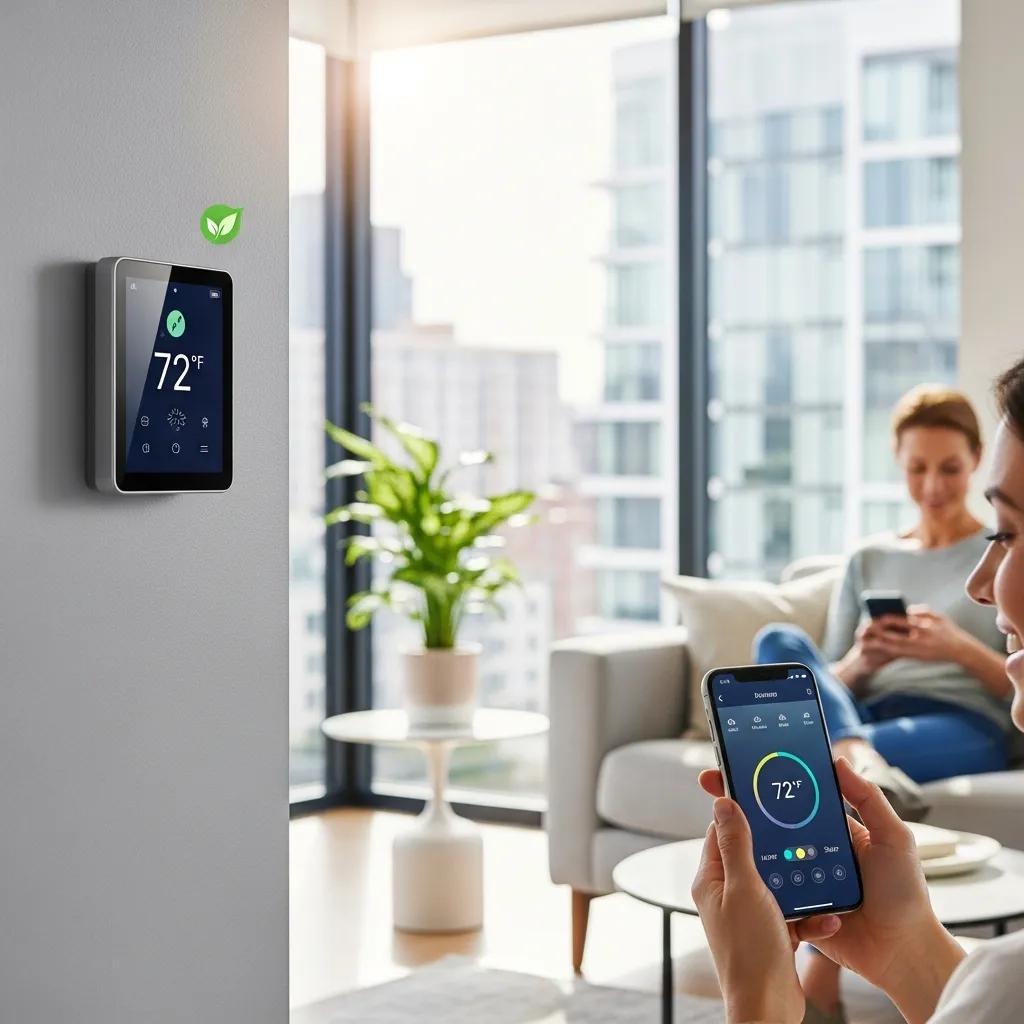
Smart thermostats and connected HVAC controls give you precise, automatic control over heating and cooling. They learn routines, lower settings in empty rooms, and let you adjust temps from your phone. Those smarter controls add up to real energy savings and more consistent daily comfort. Implementing these technologies can lead to substantial reductions in energy consumption.
Pick a model that's compatible with your HVAC system, easy to use, and offers features you'll actually use—like learning schedules, remote access, and energy reports. Integration with other smart devices can help streamline your home's energy management. A well‑selected smart thermostat often pays for itself by reducing unnecessary run time, leading to considerable cost savings over time.
Zoned systems let you set different temperatures for different parts of the house so you only heat or cool occupied areas. That precision cuts wasted energy and improves comfort where people spend the most time. Zoning is especially useful in larger or multi‑story homes where room temperatures vary, providing tailored climate control and significant energy reductions.
Sealed, insulated ducts deliver conditioned air where it belongs and stop it from leaking into unconditioned spaces. When ducts are tight, your system works less to maintain comfort—lowering energy use and often improving indoor air quality, which benefits both comfort and cost. This optimization ensures that your HVAC system operates at peak efficiency, preventing unnecessary energy expenditure.
Sealing ducts closes gaps that let heated or cooled air escape into basements, attics, or crawlspaces. When ducts are sealed and insulated, more conditioned air reaches living areas, so your HVAC system runs more efficiently and your bills fall. Professional duct sealing can produce measurable performance gains, leading to substantial reductions in your energy consumption.
Research and field tests show duct sealing can deliver measurable energy savings, especially in homes with forced‑air systems. These findings highlight the importance of proper duct maintenance for overall home efficiency. Investing in duct sealing is a proven method to enhance comfort and reduce utility expenses.
Consider duct cleaning if you see visible dust, debris, or mold in the ducts, or if family members have allergies or respiratory issues. Cleaning doesn't always boost efficiency, but it can improve air quality and is recommended when contamination is obvious or suspected. Regular inspections can help determine if cleaning is necessary to maintain a healthy indoor environment.
Take the first step towards a more energy-efficient home and lower utility bills. Our experts are ready to help you assess your current system, recommend tailored solutions, and implement upgrades that make a real difference. Don't wait to improve your home's comfort and efficiency—schedule your consultation now.
Read what our satisfied customers have to say about our reliable HVAC services and expert solutions for home comfort and efficiency.





We’ve partnered with trusted lenders to offer flexible financing solutions that fit your budget. Whether you’re looking to start a new project or upgrade your home, we make it easy and affordable.Explore your options today and take the next step with confidence.